
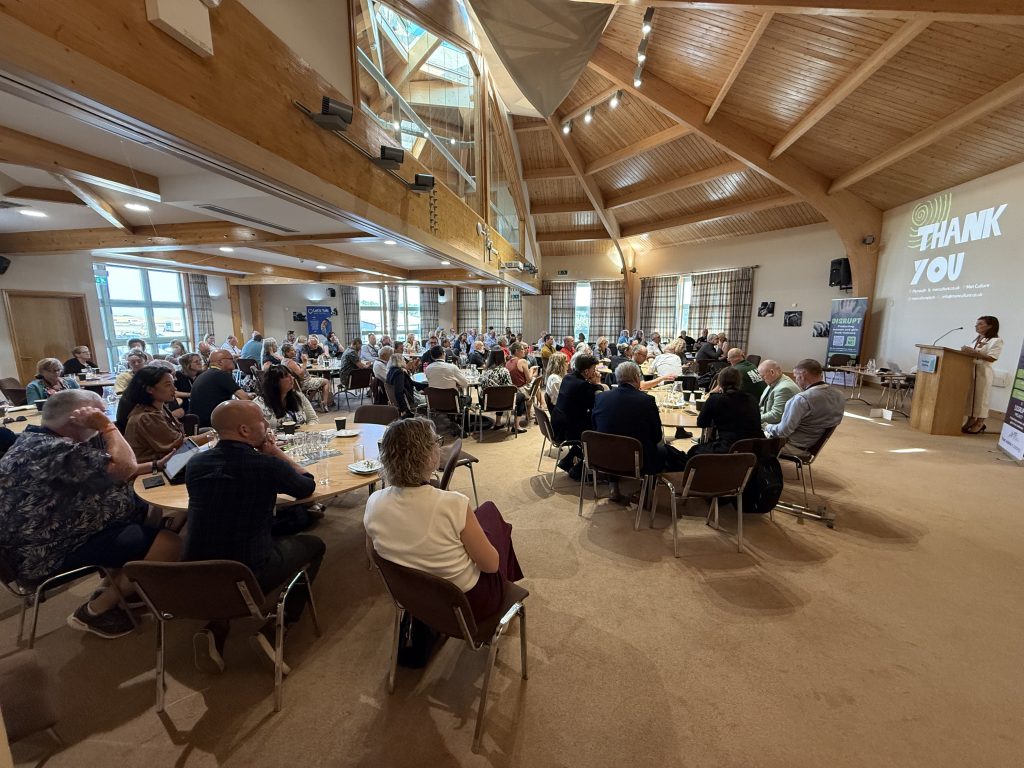
Last week I was pleased to see colleagues from across Devon and Cornwall come together for the second annual Victim-Centred Week, hosted by our Victim Care Unit (VCU).
As Police and Crime Commissioner, one of my priorities is ensuring victims receive the support, information and respect they deserve. The VCU, which is funded by my office, supports nearly 20,000 victims every year and plays a vital role in helping people navigate what can often be one of the most difficult periods of their lives.
Victim-Centred Week was an opportunity to shine a spotlight on that work, while reminding us that victims can often be neglected and overlooked, not only in policing but across the wider criminal justice system.
Throughout the week, officers, staff and partner organisations explored a range of topics, including understanding victims’ rights and support services,restorative justice, modern slavery investigations, and the role of Family Liaison Officers.
Sessions highlighted how every interaction, from the first report through to the conclusion of a case, can shape a victim’s confidence in the whole criminal justice process.
A particular highlight was the Restorative Justice Summit hosted by the High Sheriff of Devon. Restorative justice remains one of the rights available to victims under the Victims’ Code, yet it is often misunderstood and underused. Bringing together professionals from across policing, victim services and the criminal justice sector to discuss how we can better promote and deliver restorative justice was an important step forward.
Restorative Justice gives people harmed by crime the opportunity, where appropriate and facilitated by trained practitioners under carefully controlled conditions, to engage in a dialogue with the person responsible after sentencing. It gives victims a chance to ask questions, explain the impact of the crime and seek answers, while giving offenders the opportunity to understand the consequences of their actions and take responsibility. The process can be transformational for both parties.
The week concluded with a powerful session exploring the impact of sharing lived experience. Victims and survivors who share their experiences do so with tremendous courage. Their stories help challenge assumptions, improve understanding and shape the services designed to support others.
What struck me most was the message that listening alone is not enough.
The purpose of sharing lived experience is not simply to tell a story. It is about helping us understand the real impact of crime, challenging our assumptions and encouraging meaningful change. It is about asking ourselves what we will do differently as a result. I want to thank all the victims who personally speak with me to ensure I do not lose focus.
Victim Care Manager, Sarah West, helped co-ordinate the week and said afterwards that this year’s Victim-Centred Week has been about listening to lived experience and turning that learning into action.
Sarah and her team received positive feedback throughout the week, with attendees highlighting the value of learning more about victims’ rights, specialist support services and the practical steps they can take to improve the results for victims.
We’ve seen colleagues from across policing and partner organisations come together to better understand victims’ rights, the support available and the role they play in delivering good victim care.
Victim-Centred Week demonstrated that delivering better results for victims is not solely the responsibility of the police. It requires policing, victim support services and criminal justice partners to work together to ensure victims are listened to, informed and supported throughout the often difficult and protracted justice process. This is why we have produced an essential guide for anyone who needs to report a crime to the police and are seeking justice. It is called Criminal Justice and You.
It has real people working across the justice system in Devon and Cornwall explaining their role, with subtitles, sign language and audio which is accessible to all.