
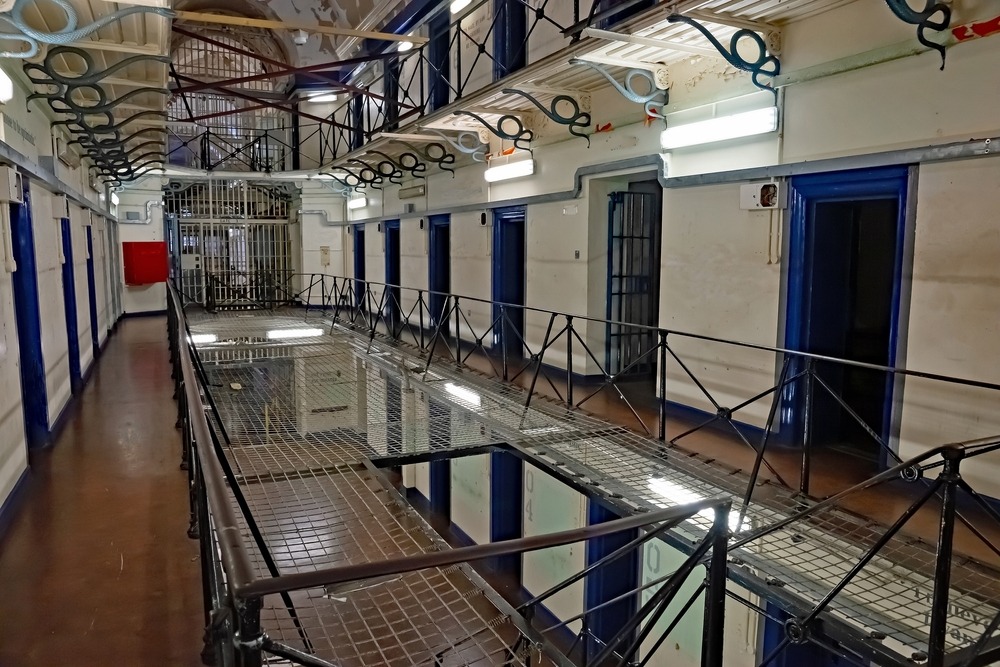
The Government has announced further changes to prison release arrangements as part of reforms intended to address pressures on the prison estate while attempting to maintain public safety. Alongside changes to eligibility, ministers have introduced additional safeguards for victims, stronger supervision requirements for offenders and increased funding for victim support services.
As Police and Crime Commissioner for Devon, Cornwall and the Isles of Scilly, my priority is ensuring that victims can secure justice with the help of the police, Crown Prosecution Service and courts so that they are protected, informed and supported at every stage of the criminal justice process. Sadly, too many victims must fight for justice with great bravery to ensure we can remove dangerous criminals from our streets and homes.
Any change to prison release arrangements is alarming for victims and communities, particularly when people hear that offenders may spend less time in custody than originally expected.
That is why the protections surrounding release are so important. The Justice Secretary has confirmed that offenders released under the new arrangements will be subject to strict licence conditions and enhanced supervision in the community. These conditions can include electronic tagging, curfews, restrictions on where offenders can go, and bans on contacting victims or their families. Offenders who breach these conditions can be recalled to prison.
Importantly for victims, the measures include the use of exclusion zones and, for some serious violent and sexual offenders, new restriction zones that limit where individuals can travel. These controls are designed to help victims feel safer in their everyday lives and reduce the risk of further criminal activity or intimidation.
However, effective victim protection is about more than offender management. It is also about ensuring victims receive timely information, clear communication and access to support when they need it most, from therapeutic services to restorative justice to help them recover.
One of the most significant aspects of the Government’s announcement is the additional £18.9 million investment in victim services. This funding recognises something police and crime commissioners have long advocated for: that victims must not be an afterthought when changes are made elsewhere in the criminal justice system.
I am pleased to say that my office and those of other Police and Crime Commissioners will be receiving funding to provide local support to victims until March 2029, and in Devon and Cornwall this will be £195,000. My team is currently putting together a plan for how this will be spent, and I look forward to updating you in the coming weeks.
For victims eligible for the Victim Contact Scheme, support is already available through dedicated Victim Liaison Officers via the Probation Service. These officers provide information about an offender’s release, explain what the changes may mean for individual cases and help victims make representations about licence conditions they believe are necessary for their protection. This can include requests for non-contact conditions or exclusion zones around their home, workplace or other important locations.
Importantly, victims can choose to join the Victim Contact Scheme at any point during an offender’s sentence, even if they previously declined to do so.
The Government has also recognised that not all victims are eligible for the scheme. New arrangements are being introduced to enable affected victims outside the Victim Contact Scheme to request information about offenders whose release dates may be affected. Where contact details are available, victims will be contacted directly and provided with information about how to access updates relating to their case.
Alongside this, a new dedicated 24/7 victim helpline is being established to provide emotional support, practical advice and signposting to further services. While the helpline will not provide case-specific release information, it will offer an additional layer of support for those affected by the changes.
These measures reflect the concerns raised by police and crime commissioners and deputy mayors through ongoing engagement with the Ministry of Justice. As a victim’s champion I have consistently argued that victims must receive clear information, robust protections and access to support if confidence in the justice system is to be maintained.
At the same time, we must acknowledge the wider challenge facing the criminal justice system. Prison capacity pressures are real, and action is needed to ensure there is always space available for the most dangerous offenders. Investment in both the prison estate and prison officers is required at pace. However, managing prison numbers alone will not solve the problem.
Long-term reform must focus on reducing reoffending and preventing crime in the first place. Too many offenders leave prison only to return months or years later. Effective rehabilitation, treatment for addiction, support for mental health, stable housing, employment opportunities and strong probation supervision all play a vital role in breaking that cycle.
That’s why we invented the Prisoners Building Homes scheme here in Devon and Cornwall that has now become national. But again, this needs investment and grip now that its leadership is out of the hands of police and crime commissioners and in the hands of government.
Every time reoffending is reduced, we prevent future victims and improve community safety. That benefits not only the criminal justice system, but the people and communities it exists to serve.
As these changes are implemented, I will continue to work with national and local partners to ensure victims remain at the centre of decision-making. Victims deserve to know what is happening, to have a voice in measures designed to protect them, and to receive the support they need to recover and move forward.
The new helpline will be run by Victim Support and is due to be opened by the beginning of October. In the meantime, victims in Devon, Cornwall and the Isles of Scilly can contact the police’s Victim Care Unit or Victim Support’s existing Supportline or online chat if they have concerns – visit https://victimcare-dc.org/ for how to get in touch.
Victims can also access other national helplines, including:
- Domestic Abuse Helpline: 0808 200 0247
- Rape and Sexual Abuse Helpline: 0808 500 2222
- Stalking Helpline: 0808 802 0300
- NSPCC: 0808 800 5000
The Government’s guide for victims affected by the early release scheme can be found here: Progression model: changes to prison release arrangements – GOV.UK