
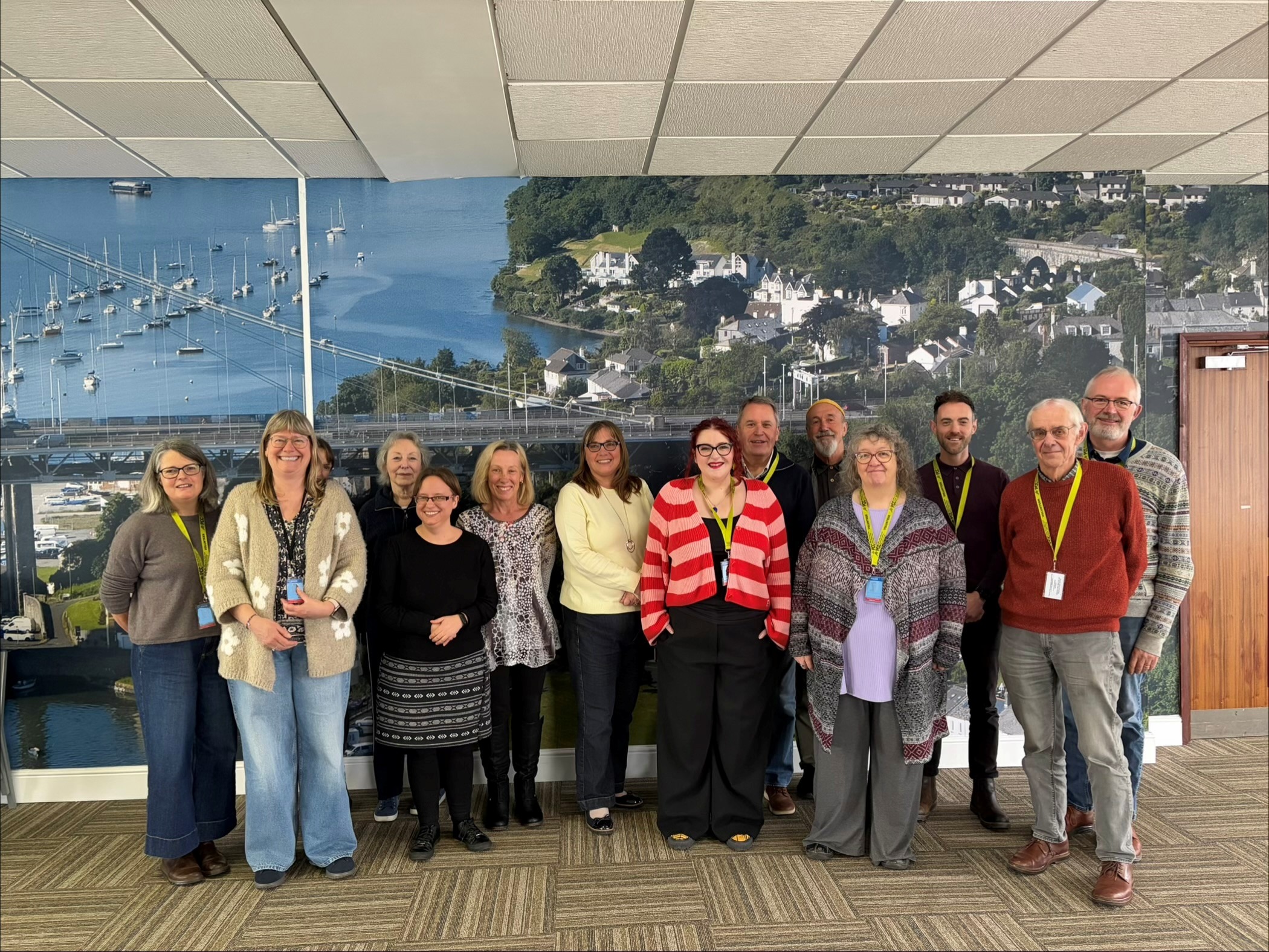
As Volunteers’ Week comes to an end, the Police and Crime Commissioner Alison Hernandez is reflecting on the work of the main volunteers within her office, Independent Custody Visitors (ICVs).
This week, from June 1 to 7, volunteers throughout the country are being rightly celebrated and acknowledged for their work as part of national Volunteers’ Week.
ICVs are members of the local community who are completely independent of the police and selflessly give up some of their time to check on the welfare of people detained in custody, the conditions in which they are being held, and ensure that their rights and entitlements are being observed.
Police and Crime Commissioners (PCCs) in England and Wales have a statutory obligation under the Police Reform and Social Responsibility Act to have an effective ICV scheme in place in their police force area.
The reason for this is that for many people, arriving in a custody suite can be a daunting and frightening experience and they may not be aware of their rights or entitlements. The ICV scheme offers protection and confidentiality to detainees and provides reassurance to the Commissioner that the custody environment within Devon and Cornwall is working well, or the ability to flag vital issues not being addressed promptly.
In Devon and Cornwall, we are fortunate to currently have 24 ICVs who are recruited by the OPCC. Of those, 11 are new volunteers who began their role at the beginning of the year, and13 are women and 11 are men- all representing a range of different ages and backgrounds.
ICVs visit police stations across Devon and Cornwall in a pair, unannounced, and then submit a report of their findings to the OPCC and the local custody inspector, allowing the Commissioner to perform her duty of scrutinising Devon & Cornwall Police’s custody management. If any areas of concern are highlighted by the ICVs, it is the Commissioner’s duty to call for immediate action to be taken and ensure it is conducted through continued rigorous monitoring.
In the last financial year from April 2025 to March 2026, ICVs conducted a total of 128 visits at custody centres throughout Devon and Cornwall, including Exeter, Torquay, Plymouth, Barnstaple, Newquay, and Camborne.
Encouragingly, reports for most of those visits were consistently positive and ICVs often received positive feedback directly from detainees regarding how they had been treated.
However, issues raised included concerns over the maintenance of the custody estate, such as broken CCTV in a custody suite which has since been fixed, gaps in healthcare provision on some occasions and staff shortages.
No significant issues have been raised following ICV visits so far this year.
When ICVs arrive at a custody suite, they are escorted to the custody centre by a Custody Sergeant. ICVs independently decide which detainees to visit, prioritising anyone who is vulnerable, women and children.
Strict rules of confidentiality mean that ICVs are not told detainees’ names or why they are in custody, and detainees must give their consent to be visited.
The checks ICVs conduct are to ensure people in custody are being treated properly such as that the cell is clean, they have access to food that caters for different diets, water, distraction items and to make sure they have been offered a solicitor.
ICVs can also inspect custody records with the detainee’s consent, which are a record of everything that happens while a detainee is in custody. ICVs can use this information to corroborate any statements made by the detainee and to ensure that the detainee’s rights and entitlements are being upheld.
Immediate areas of concern can be raised with the Custody Sergeant or the Custody Inspector if the matter cannot be resolved immediately or is of a serious nature that requires ongoing attention.
Visits typically last between 30 minutes and two hours and can be conducted on any day at any time.
ICVs must be 18 years old or over, independent of the police service, live or work in Devon, Cornwall and the Isles of Scilly and have been resident in the UK for the three years prior to application.
No specific experience or qualifications are required and ICVs are taught the role during a probationary period that lasts around six months. Further mandatory training is provided via online courses and meetings.
The time commitment required once trained is around one to two visits a month.
On Wednesday, June 3, the ICVs for Devon and Cornwall, alongside the ICV Scheme Manager, attended a special Volunteers’ Week event hosted by the Independent Visiting Association (ICVA).
ICVA celebrated the work of ICVs from across the UK and shared a spotlight impact report on ICVs, new custody animations and updated ICVs on ICVA workstreams. It highlighted the impact ICVs have made and their work was both acknowledged and celebrated.
The Commissioner recently met with some of Devon and Cornwall OPCC’s fantastic volunteers at one of their regular group meetings and she was once again impressed by the passion and dedication they each have for their role. The Commissioner continues to have great appreciation for the work the ICVs undertake, being her eyes and ears on the ground in custody within Devon and Cornwall.
She said: “I would like to express my sincere thanks not to just our ICVs but all those across the country, and to every volunteer within different organisations whose contributions are indescribably valued within our communities. Life is a richer place thanks to the gift of time they give to people from all walks of life.”