A guest edition of the Commissioner’s blog, written by Head of Communications and Public Affairs at the Office of the Police and Crime Commissioner, Ben Woolvin, former Home Affairs Correspondent at the BBC.
During one week in July, Devon and Cornwall Police recorded 468 crimes of domestic abuse. And that, of course, is only the incidents that were reported; the true figure is likely to be many times higher. In addition to that will be the numerous reports of stalking and harassment, not to mention all the non-contact offences.
The overwhelming majority of these offences will have been committed by men against women and girls.
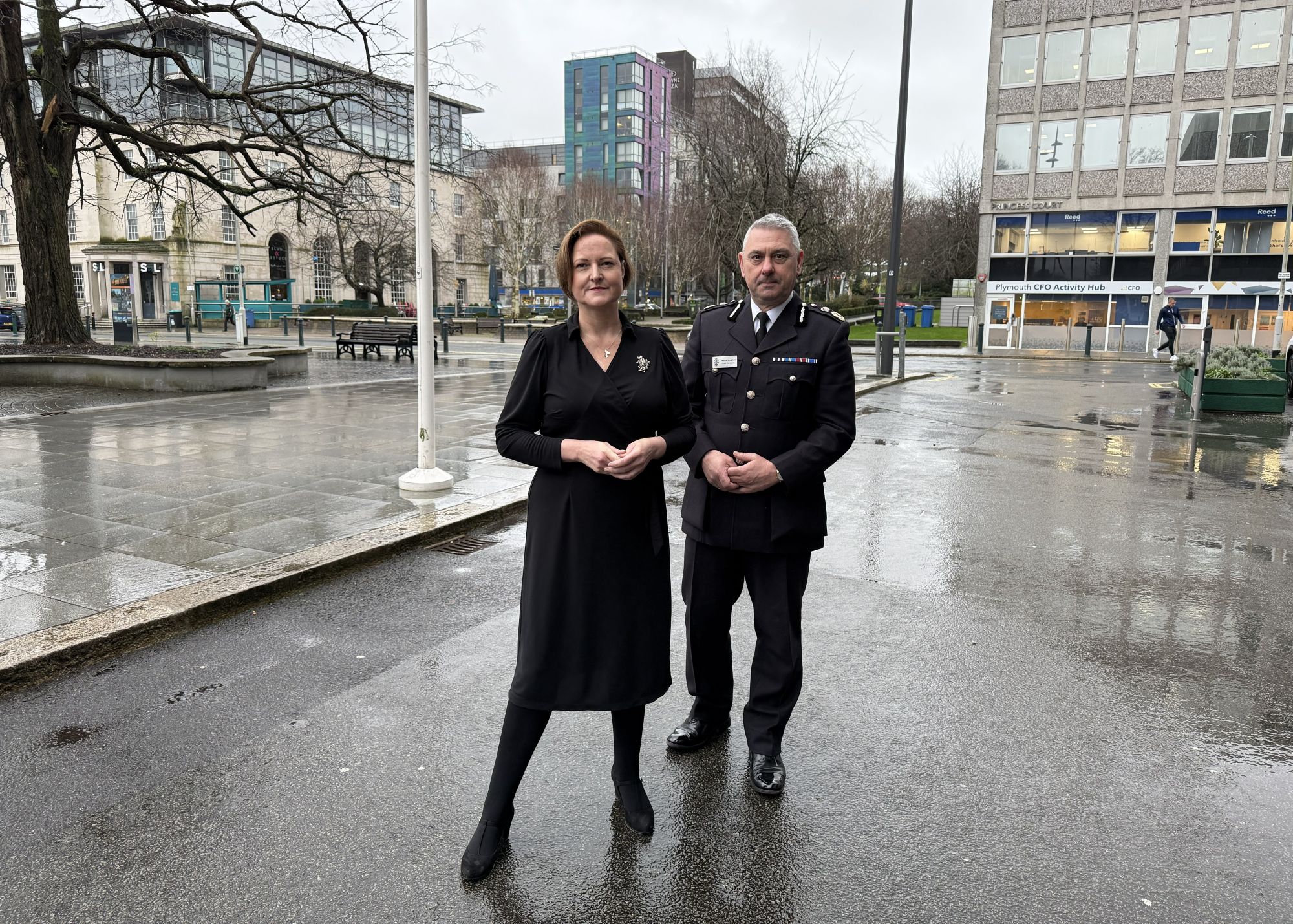
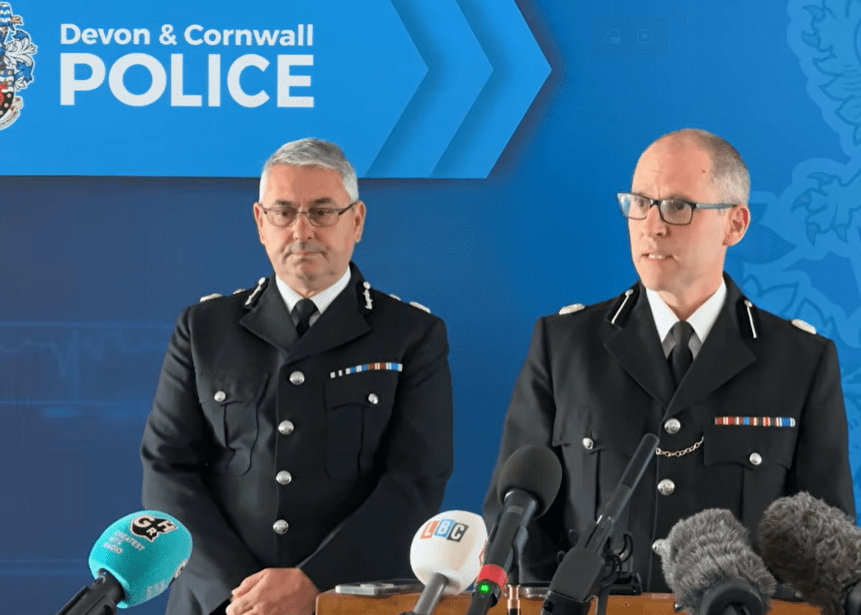
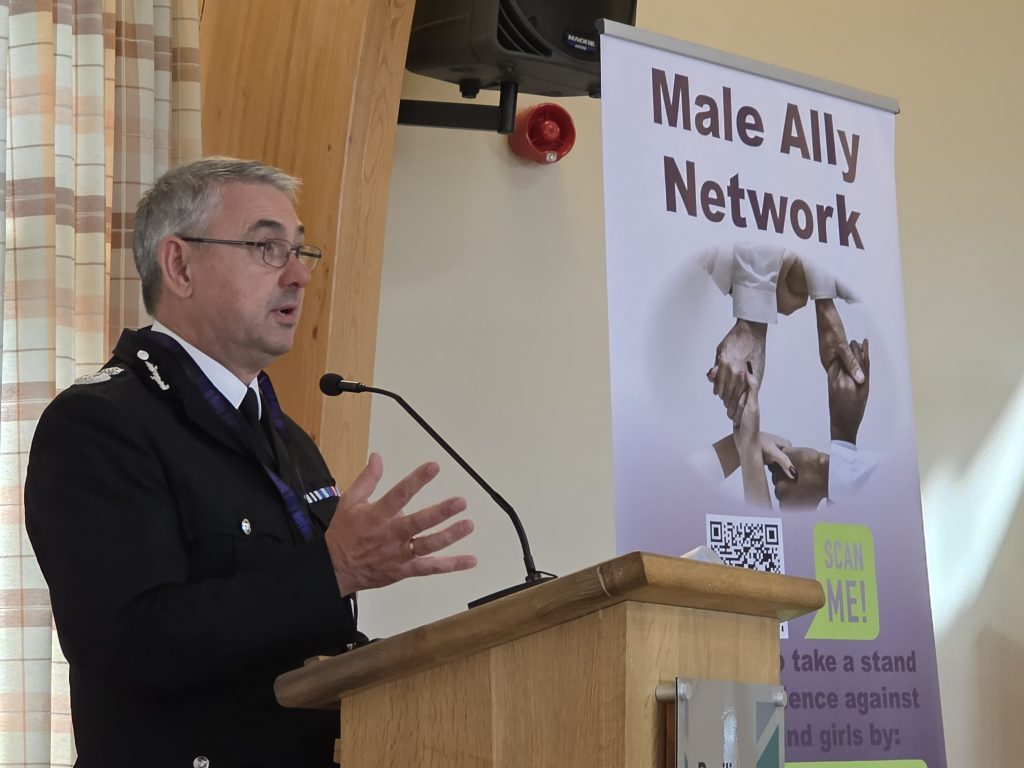
It’s an enormous issue facing our society, called an ‘epidemic’ by the government and reiterated by Devon & Cornwall’s Chief Constable last week at the part-launch of a new Male Ally Network in Cornwall which is, we hope, part of the answer. It is the latest attempt to help all men and boys who so urgently need to talk to each other more about what it means to be a male ally.
Network members and champions will be able to access training to develop the confidence and skills to challenge behaviours that women don’t like or want. We haven’t got all the answers, and these are early days, but there is a very firm commitment to learning how to have more of those conversations that matter, amplifying positive behaviour and actively calling out behaviour that perpetuates the disrespect that leads to violence towards women and girls.
At the launch event on Friday, we heard speeches which moved some of us to tears. For me, one of the most poignant moments came when members of the audience were asked to stand up if they knew someone who had been the victim of male violence against women and girls.
As a list of crimes was read out, from stalking and rape to domestic abuse and murder, almost all the 160 people in the room ended up on their feet.
Another memorable moment was when we heard about a man and his daughter who had been talking to a volunteer from one of the existing positive masculinity projects at an engagement event in Plymouth recently. Until this conversation, he had no idea his daughter was nervous about getting into a taxi on her own, or about the things she was doing to make herself feel safer, including taking pictures of the car registration before getting into the taxi, and leaving one of her hairs on the seat so her DNA could be found if she was attacked.
This story reminds us that not everyone understands how big this problem is. We need to find new ways to prompt conversations like that one; between men and their daughters, and between men and men.
In my last job (reporting on crime stories for the BBC) I spent many months in court, listening to evidence about the darkest corners of human nature and the things men are capable of doing to women and girls. I’ve watched many hours of documentaries about the manosphere and listened to even more hours of podcasts about femicide.
But there are still times when I am shocked by the size of this problem, such as when I was taking part in one of the live online parenting sessions called Let’s Talk (part funded by the Office of the Police and Crime Commissioner and available to watch on the Let’s Talk website.
I hardly ever swear, but when the session turned to the subject of violent pornography, I found myself swearing out loud. We were told research commissioned by a children’s safety group had found that 78% of so-called rape porn websites are advertising content purporting to show the rape of under-18s. We were also told about research from the children’s charity Barnardo’s which found that some children are being exposed to pornography as young as age five, with the average age of the first exposure being 11.
The Government’s new explicit image ban for children is undoubtedly a positive development, but like so many other people I remain concerned about way online content is affecting the way some boys treat women and girls.
I think one of the most important things we need to do is find ways to help men and boys to have more empathy, especially those who have grown up in situations where they’ve had less than their fair share of love.
We all crave connection and I really hope that through providing more opportunities for face-to face conversations this project might be able to help some men improve their levels of empathy which, in turn, might help them overcome porn addiction, put social-media-influencer content into perspective, and make them less likely to act on any harmful fantasies.
As a former journalist, I can be quite cynical. I went into last Friday’s launch event not sure whether it could really make a difference. But there was something about this event that did feel special. So many different organisations were represented in the room – from the NHS, to the fire service, to the church. That, I think, could make this project more wide-reaching than some of those that already exist.
Another thing that might explain why we all left the event feeling so energised was that, unlike other events held to discuss violence against women and girls that I’ve been to, around half of those who attended were men (or ‘sons of ladies’ as project lead, Alexis Bowater, put it in her speech).
All the men who spoke were, in different ways, saying the same thing; we don’t want this to keep happening in our name. There were lots of different types of men in the room – some were super muscly rugby players, others, like me, wore glasses and a formal shirt – but together we had a shared belief that being a man should never mean abusing a girl or killing a woman.
The Male Ally Network is supported through £100,000 of investment, including £50,000 from the Office of the Police and Crime Commissioner and £50,000 from proceeds of crime funding allocated by Chief Constable Vaughan.
People interested in becoming an ally can sign up and find out more at https://devonandcornwall-pcc.gov.uk/disrupt-vawg/man.