
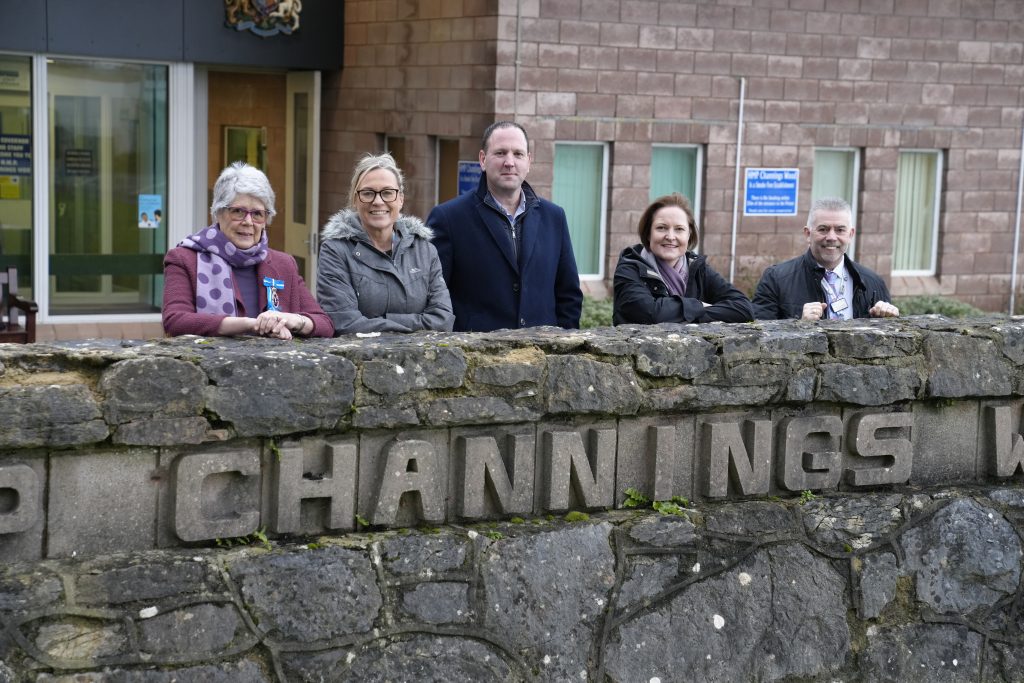
The harmful impact of gambling on not just individuals but also their loved ones, colleagues and the wider community was described to me during a compelling conversation with a recovering gambling addict during a recent visit to HMP Channings Wood in Newton Abbot.
It has clearly highlighted that a new approach is required to identify and help those with gambling problems and tackle reoffending. Court backlogs remain a worrying issue, as does the capacity of prisons which are struggling to cope with rapidly rising numbers generally.
Although people must be punished for the crimes they commit, prison is not the only option. I am keen to explore with Devon & Cornwall Police, the Ministry of Justice, the Probation Service and other partner agencies how gambling addicts can be better identified and helped before their journey sees them end up in prison and improvements that can be made to stop prisoners from reoffending by giving them the help they need while serving their sentence.
Former inmate Andy, originally from Falmouth and a father-of-three, candidly spoke to me about how his life and those around him was turned upside when his gambling habit – which began at the age of just nine years old – spiralled further out of control after leaving the Royal Navy.
It led to him being convicted for fraud in 2016 and given a two-year suspended sentence. However, his gambling continued, as did his second addiction – alcohol. With brutal honesty, Andy described his behaviour at that time as having been “that of a monster” which culminated in him assaulting a new partner and taxi driver during a drunken night out.
In prison, he asked for help for the first time to address his gambling, but says he was instead told gambling was a secondary addiction. The only treatment he was offered was for substance misuse. On his release, he inevitably returned to gambling and became suicidal but thankfully received free treatment at a residential rehabilitation centre for gambling for 14 weeks.
While serving at HMP Channings Wood, its approach was different to what Andy had previously experienced at his last prison. He was given permission to set up gambling peer support groups and one-to-ones with fellow prisoners.
The true extent of the problem was revealed when a survey conducted by Andy found that a quarter of inmates admitted to having a gambling problem. Since his release from prison, Andy has admirably turned his life around.
He has completed drug and alcohol counselling and has been working for Beacon Counselling Trust on its Armed Forces Gambling Support Network Programme – delivering awareness and prevention training to serving personnel, veterans, families and the wider armed forces community.
Andy’s mission is now to offer that within prisons, starting as a pilot in the South West. He is being supported by the High Sheriff of Devon, Caroline Harlow. She has used her year in office to highlight the harms of gambling addiction and tackle reoffending. Her relentless mission has been to “bring about awareness and change for those whose gambling addiction has led them to prison in Devon”.
There also seems to be a direct link to violence against women and girls because gamblers lie, cheat, steal and get angry. Coercive control can be one of the many tools in their box.
The High Sheriff also attended the visit at HMP Channings Wood and the outcome of the meeting was to work together as individuals and partnership organisations to tackle harms caused by gambling.
To put the highly stigmatised and often hidden issue in context, an estimated 1.4 million adults in Britain have a gambling problem, according to the Gambling Commission’s annual survey last year.
In my role as not just Police and Crime Commissioner (PCC) but also as co-lead for the criminal justice portfolio of the Association of Police and Crime Commissioners and a a member of the South West Reducing Reoffending Partnership, I will be looking into whether gambling treatment orders in court can be issued as a option to address the reasons for their crimes.
PCCs play a vital role in preventing gambling harms from leading to crime and people becoming victims of domestic abuse, fraud and child neglect, and I remain committed to finding new ways to prevent and help more people going down the destructive pathway of gambling.