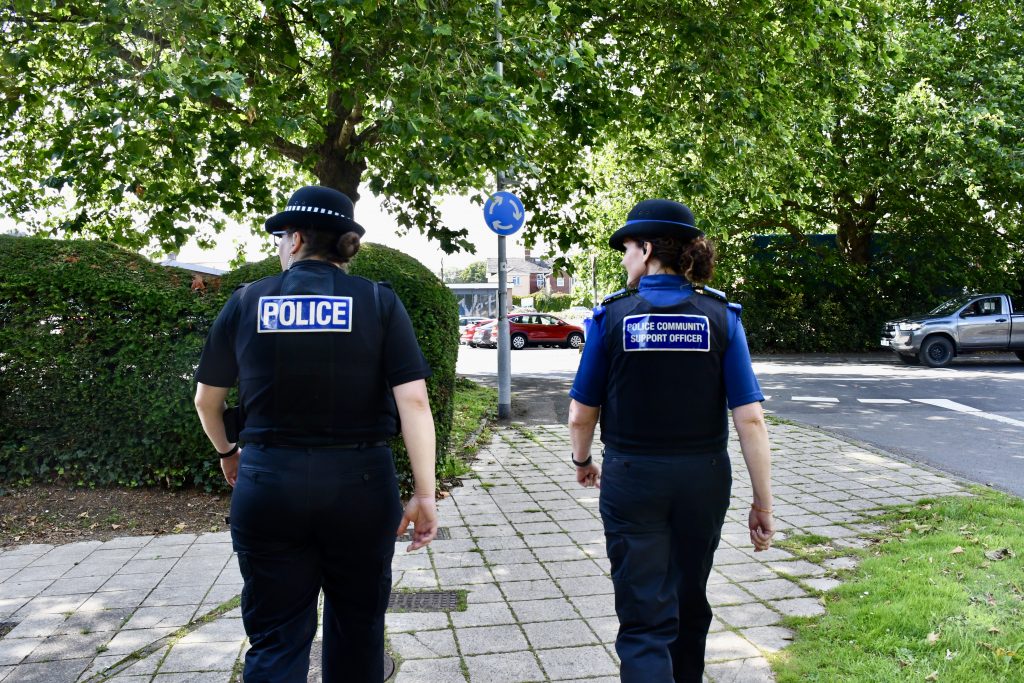

Camborne Police Station, which was built in the 1960s, has opened its doors a newly refurbished public enquiry office (PEO), replacing the old PEO.
On Friday 23 May, the doors officially opened to the new PEO which is now located at the centre of the station, making it easily accessible to the public.
Superintendent Ian Thompson, who heads up policing teams across West Cornwall, said: “The refurbishment has made such a difference, creating a welcoming space for members of the public.
“When people visit a police station, it’s often because they need advice, they have been a victim of crime or would like to report something to us. We’re aware that this can sometimes cause people worry or anxiety, so our hope is that by creating a modern space which offers a calming environment for anyone who visits, it can help to make their experience as comfortable as it can be.”
Police Inspector Lou Brown, who heads up neighbourhood teams in Camborne said: “We’ve received positive feedback from members of the public who have visited already. It’s been great to hear how it’s already having an impact.
“We’re very pleased to open the new and improved space. The PEO has been at the heart of our communities for many years so it’s a great for local people.”
Police enquiry offices (PEOs) allow members of the public to have access to walk-in services where they can speak to trained staff who can help with crime reporting, crime prevention advice and help with accessing victim services.
Camborne Public Enquiry office has remained open throughout the development of the new office. The new PEO remains at the police station, located on South Terrace, TR14 8SY. It is open to members of the public Monday to Saturday 8am to 6pm.
Alison Hernandez, Police and Crime Commissioner for Devon, Cornwall and the Isles of Scilly, said: “I’m delighted that Camborne PEO has now opened. This multi-million pound investment has created a much improved place of safety for the public to access help and advice – as well as an alternative method of contact to phone and email.
“Connecting communities to the police force which serves them has been the underlying principle of my Police and Crime Plans, and the opening of dozens of police enquiry offices is one example of how I have delivered on that principle.
“Working with local partners on this project has been one of the highlights of my career, and it has been hugely grateful to see the impact this investment has made in our communities, whose contribution via taxation has made it all possible.”
A full list of PEO opening times across Devon and Cornwall is available here: A list of Police Enquiry Offices (PEOs) | Devon & Cornwall Police.
opcc
The remarkable difference volunteers make within our communities is rightly being celebrated and acknowledged this week as part of national Volunteers’ Week running from June 2 to 8.
The main area that people can volunteer with my office is as an Independent Custody Visitor (ICV). These incredible volunteers are members of the local community who are completely independent of the police and selflessly give up some of their spare time to check on the treatment of people detained in custody, the conditions in which they are being held and ensure that their rights and entitlements are being observed.
The Police Reform and Social Responsibility Act placed a statutory obligation on all Police Crime Commissioners (PCCs) in England and Wales to have in place an effective ICV scheme in their police force area.
The reason for this is that for many people, arriving in a custody suite can be a daunting and frightening experience and they may not be aware of their rights or entitlements. The scheme offers protection and confidentiality to detainees and provides reassurance to me that the custody environment is working well or an ability to flag vital issues not being addressed promptly.
In Devon and Cornwall, we are fortunate to currently have 17 ICVs who are recruited by my office. Of those, 10 are women and seven are men – with both representing a range of different ages and backgrounds.
They visit police stations across Devon and Cornwall in a pair, unannounced, and then submit a report of their findings to my office and the local custody inspector. This is essential for me to be able to carry out my commissioner’s duty of scrutinising Devon & Cornwall Police’s custody management.
Should any areas of concern be highlighted by the ICVs, it is my duty to call for immediate action to be taken and ensure it is carried out through continued rigorous monitoring.
In the last financial year from April 2024 to March 2025, there were 25,055 detentions in Devon and Cornwall. During that time, 135 visits were carried out by ICVs at custody centres throughout Devon and Cornwall, including Exeter, Torquay, Plymouth, Barnstaple, Newquay and Camborne.
Encouragingly, reports for the majority of those visits were consistently positive. However, issues included concerns over maintenance of the custody environment and this has resulted in further investment; access to exercise facilities or washing facilities not always being available when custody suites are busy; a broken CCTV in one of the custody suites which has since been fixed, and on occasions police staff shortages meaning ICVs could not carry out inspections due to a member of the police not being available to escort them around. These visits were rescheduled.
No significant issues have been raised following ICV visits so far this year.
When ICVs arrive at a custody suite, they are escorted to the custody centre by a Custody Sergeant. They independently decide which detainees to visit, prioritising anyone who is vulnerable, women and children.
Strict rules of confidentiality mean that ICVs are not told detainees’ names or why they are in custody, and detainees have to give their consent to be visited.
The checks ICVs carry out are to ensure people in custody are being treated properly such as that the cell is clean, they have access to food that caters for different diets, water, distraction items and to make sure they have been offered a solicitor.
ICVs can also inspect custody records with the detainee’s consent, which are a record of everything that happens while a detainee is in custody. ICVs can use this information to corroborate any statements made by the detainee and to ensure that the detainee’s rights and entitlements are being followed.
Immediate areas of concern can be raised with the Custody Sergeant or the Custody Inspector if the matter cannot be resolved immediately or is of a serious nature that requires ongoing attention.
Visits typically last between 30 minutes and two hours and are carried out during the morning, day or night.
The criteria for being an ICV is that they must be 18 years old or over, independent of the police service, live or work in Devon, Cornwall and the Isles of Scilly and have been resident in the UK for the three years prior to application.
No specific experience or qualifications are required and ICVs are taught the role during a probationary period that lasts around six months. Further mandatory training is provided via online courses and meetings.
The time commitment required once trained is around one to two visits a month.
I would like to express my sincere appreciation not just to our ICVs but all those across the country, and to every volunteer within different organisations whose contributions are indescribably valued within our communities. Life is a richer place thanks to the gift of time they give to people from all walks of life.
For more details about becoming an ICV, please click here.
A new accountability board to ensure Devon & Cornwall Police is held to account has reconvened again to scrutinise further key performance areas, including services available to detainees while in custody and whether policing strategies are aligned with national priorities.
The Commissioner’s Accountability Board, hosted monthly by Devon, Cornwall and Isles of Scilly Police and Crime Commissioner (PCC) Alison Hernandez, met on May 14. She has now issued a judgment of assurance to indicate whether improvement plans are required or not. It includes details of how she reached her decision on two specific areas of constabulary performance that were scrutinised.
The first was the constabulary’s plans and delivery of the Strategic Policing Requirement (SPR) which sets out national threats which, in the Home Secretary’s view, are the biggest threat to public safety. It guides PCCs when issuing Police and Crime Plans.
The national threats covered in the current SPR include violence against women and girls (VAWG), terrorism, public disorder, serious and organised crime (SOC), child sexual abuse, national cyber incidents and civil emergencies.
Commissioner Hernandez’s judgment is she is ‘part-assured’ regarding both the constabulary’s current performance and the plans that are in place.
She said: “Insufficient detail was provided in two of the areas to enable a complete, informed judgment to be made.”
Devon and Cornwall Police will present further evidence to the Commissioner to allow full scrutiny of every component to show how it is delivering against the SPR.
The second performance area discussed was the constabulary’s risk management of identified custody risks. Details were shared around plans that are already in place to ensure its custody provision is both safe and meets legal requirements.
Commissioner Hernandez said: “Although assurance was provided regarding the operational management of the force’s custody centres, further detail is required concerning the access to, and availability of services to detainees while in custody.”
Her judgment was ‘part-assured’ with more in-depth scrutiny planned in the near future.
During the meeting, Chief Constable James Vaughan also gave an update on the police budget and financial performance, recent homicides and serious crimes, as well as areas of concern and success.
Responding to her latest statement of assurance following the Commissioner’s Accountability Board meeting, he said: “The force provides safe and legal detention for people arrested across Devon, Cornwall, and the Isles of Scilly. This will remain our primary concern, however, providing safe and legal custody provision across the current estate, some of which requires refurbishment, provides an ongoing resilience and efficiency challenge. The current estate provision therefore requires strategic review.
“The force and the Commissioner have now agreed a set of Terms of Reference for this review, which is hoped to provide recommendations on our long-term provision.”
The Commissioner has committed to sharing her levels of judgment with the public and external stakeholders following each meeting to increase transparency in policing and the criminal justice system.
To view Commissioner Hernandez’s statement of assurance please visit Commissioner’s Accountability Board – Your voice in policing where the full board agenda can also be found.
Night buses will continue to be available in North Devon and Torquay, plus on new routes in Plymouth and Exeter on Saturday nights until the end of the year.
Following the success in the summer and Christmas of 2024, Devon & Cornwall Police and the Police and Crime Commissioner’s office are working with partners to continue running night buses across the two counties, providing seven new routes in addition to the four existing routes from last year.
Night bus services, provided by Stagecoach in Devon and First Bus in Newquay, will operate on Saturday evenings from May throughout 2025 in a bid to reduce drink and drug-related incidents.
The buses will also be available in Devon on Friday, December 19, and New Year’s Eve.
The North Devon, Torquay, Plymouth and Exeter buses will run between May 31 and New Year’s Eve 2025, and a longer Newquay service until September 6.
The services have been set up by Devon & Cornwall Police and funded by the Office of the Police and Crime Commissioner (OPCC) with support from Devon County Council, North Devon Council, Torridge District Council, Ilfracombe Town Council, Torbay Council, Cornwall Council, Plymouth Waterfront Partnership, Cornwall Air Ambulance and Newquay BID.
Alison Hernandez, Police and Crime Commissioner for Devon, Cornwall and the Isles of Scilly, said: “I am delighted that my office will once again fund this fantastic service and help even more people get home safely after a night out. I need people to use these services to show it is commercially viable to ensure it becomes a mainstay of having a night out.
“The extension of the night bus service to include seven new routes will be a fantastic boost to our evening and night time economy, encouraging residents and visitors alike to relax and enjoy socialising in Exeter, Plymouth, Newquay, Torbay and North Devon without worrying about the expense of a taxi, or having a designated driver.
“Night buses in Devon and Cornwall have been proven to be a great success, reducing crime and antisocial behaviour and making people feel safer – with the added benefit of allowing them to get home for less than the cost of a pint or a glass of wine.”
Assistant Chief Constable Glen Mayhew said: “With partnership funding and support we have managed to re-launch a tested and successful initiative. The provision of improved night-time transport will ensure people, and particularly women and girls, arrive home safely having enjoyed their evening out with friends.
“We have seen that this also reduces antisocial behaviour and has a positive impact across our communities. I am pleased to see so many dedicated routes with such a wide reach into our communities”.
Peter Knight, Managing Director of Stagecoach South West said: “We are proud to be part of an initiative that provides a safe and affordable evening travel option for customers. It is a great example of our ongoing commitment to serving the needs of residents and where required working with partners to achieve that goal. We hope to see a similar positive impact for the community that has been seen in Torquay and North Devon previously.”
Simon Goff, Managing Director at First Bus South said: “We’re proud to be working alongside Devon & Cornwall Police and the Police and Crime Commissioner to deliver night bus services in Newquay again this year. Last year’s service was incredibly well received, and we’re excited to see it return and expand. Providing safe, affordable and reliable transport late at night helps keep communities safe and supports the local night time economy.”
Tickets for the services cost a maximum of £3 for a single journey, and full timetables are available on the provider websites:
Stagecoach, covering Devon – Niterider | Stagecoach
First Bus, covering Newquay – Timetable N1
Retail crime and in particular theft and shoplifting is a serious concern across our communities — not only for the businesses directly affected, but for residents, visitors, and anyone who wants to see vibrant, thriving high streets.
It’s not just about financial loss. Crime and antisocial behaviour in our town centres damage confidence, discourage footfall, and impact people’s sense of safety.
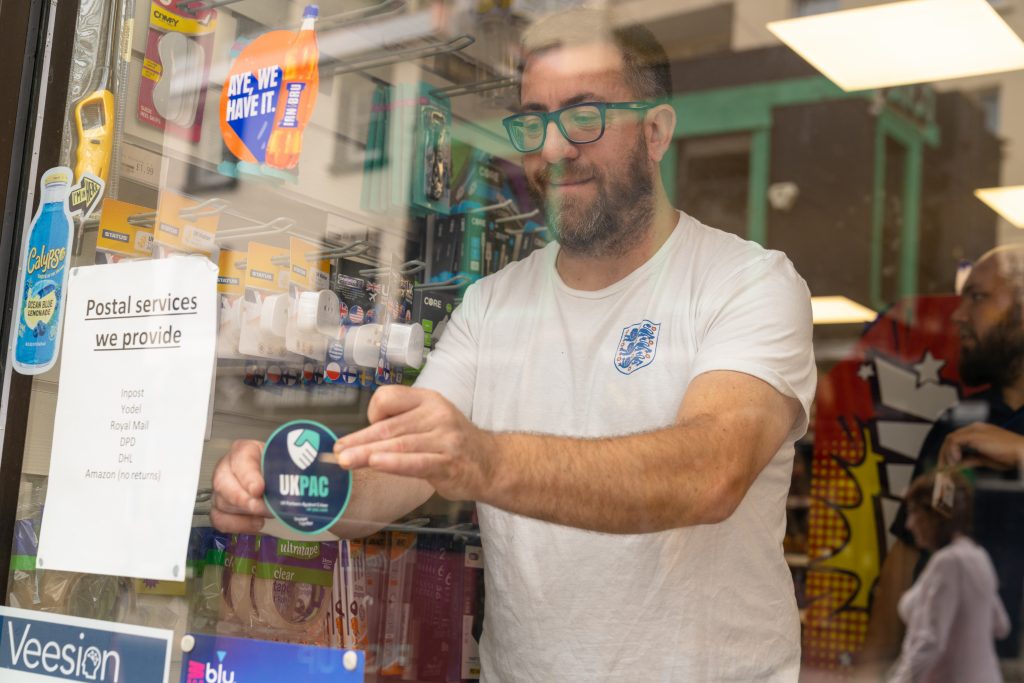
That’s why I’m proud to announce the launch of a year-long pilot in Torbay, funded by my office, to provide businesses with free access to the UK Partners Against Crime (UKPAC) Business Crime Reduction Solution.
This innovative initiative gives local traders a powerful, user-friendly platform to report shoplifting, antisocial behaviour and other criminal activity quickly and effectively.
The UKPAC system — accessible via a secure online portal or smartphone app — enables businesses to submit incident reports, share intelligence, and work collectively to tackle persistent and repeat offenders. This shared approach allows police to build stronger, more detailed evidence files and to target their resources where they will have the greatest impact and reduces the time police officers have to spend building legal case files for court.
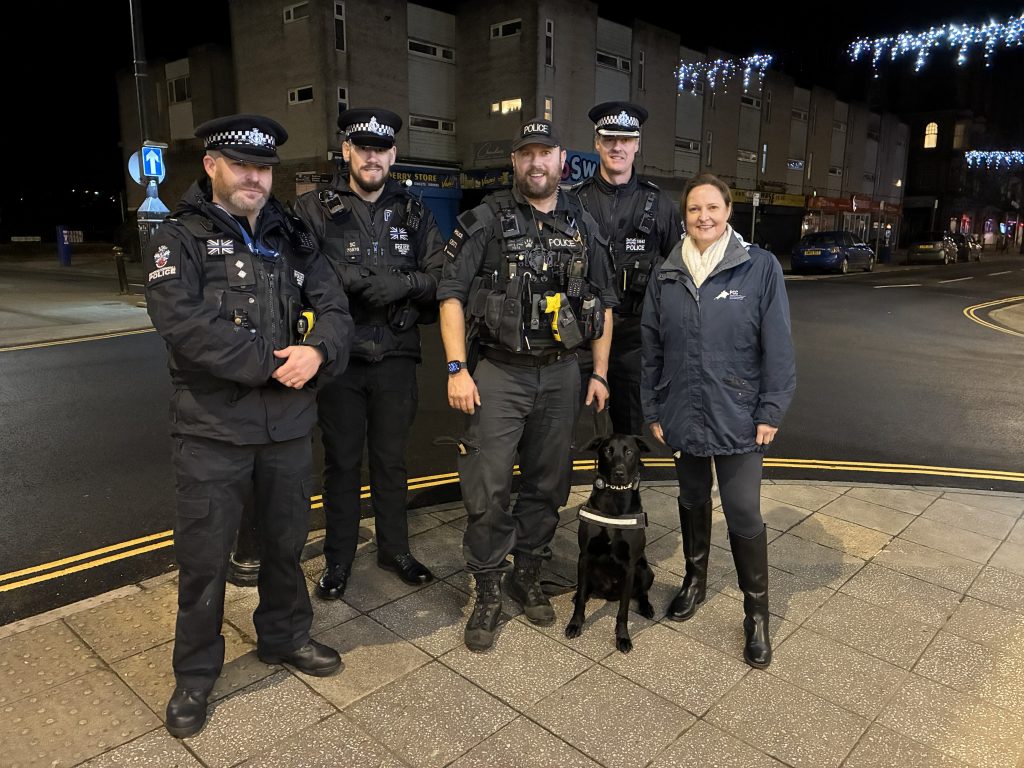
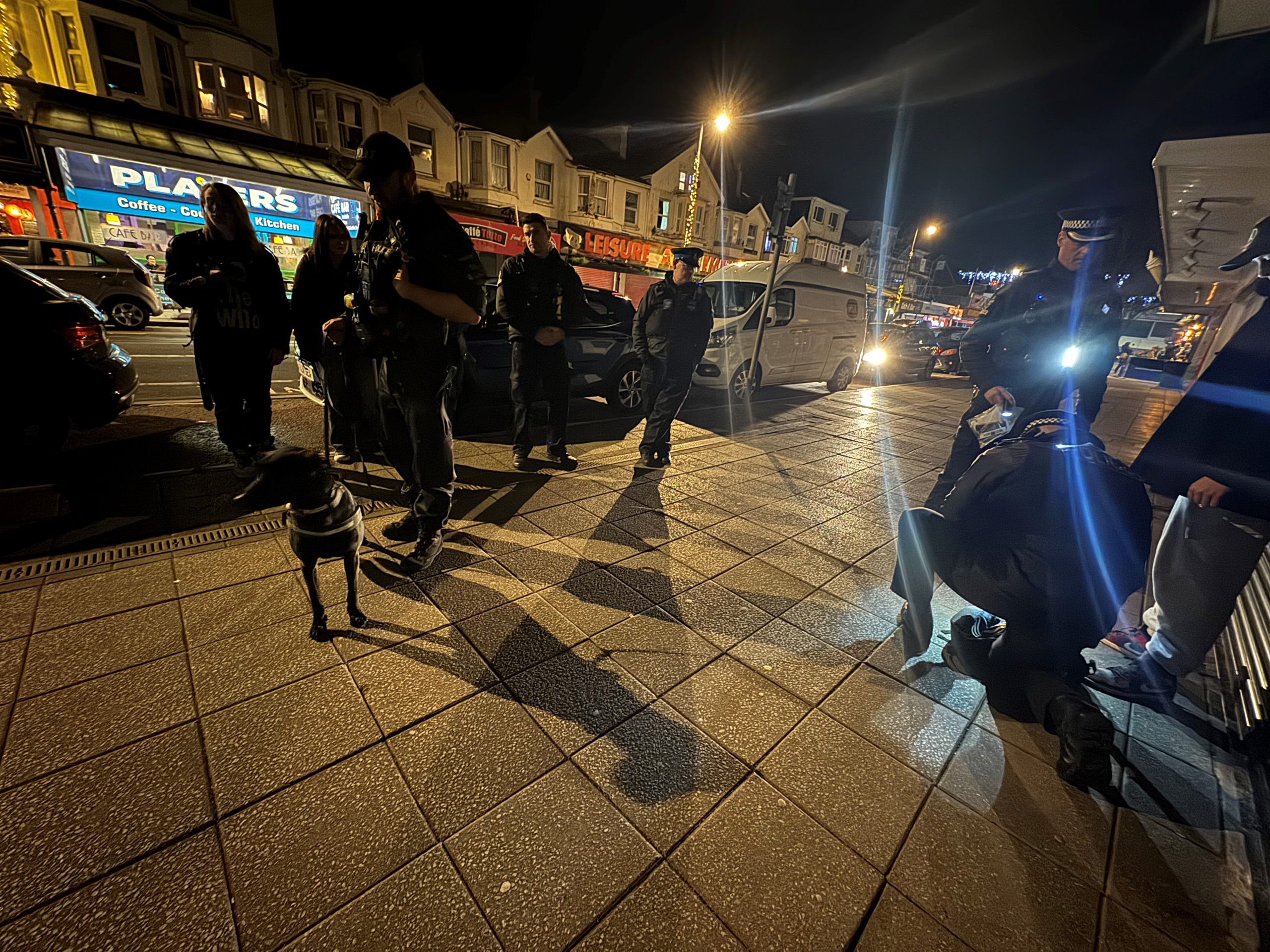
This initiative forms part of my wider Street Focus: Torquay programme, a multi-agency effort involving Devon & Cornwall Police, Torbay Council, SWISCo and others, focused on addressing the deep-rooted issues affecting Castle Circus and the town centre more broadly.
Retail crime is not an isolated issue. It affects entire communities. When a business experiences repeated shoplifting or abuse of staff, it takes a toll — not just on profitability, but on morale, safety, and the willingness of businesses to invest in our towns. That’s why I see supporting our business community as a core part of my mission to keep Devon and Cornwall safe.
With UKPAC, we are empowering traders to be part of the solution. Rather than asking small business owners to fill out time-consuming reports or chase follow-ups, this system simplifies the process. In just a few clicks, incidents can be logged, images and footage uploaded, and relevant information shared across the network.
More importantly, this information doesn’t just sit in a file — it becomes actionable intelligence. Patterns emerge. Repeat offenders can be identified more quickly. And crucially, it enables high-quality case files to be built that improve the likelihood of prosecution and conviction.
Businesses that sign up to UKPAC also benefit from access to discounted crime prevention tools and services — providing further support to protect their staff and premises. It’s a joined-up, practical approach to crime reduction that fits hand in glove with our broader partnership work in Torbay.
As Gareth Lewis, chairman of UKPAC, rightly said, the impact of business crime goes well beyond financial loss. It undermines confidence and can erode the very fabric of a community. By improving how we report, track, and respond to these crimes, we are sending a clear message: crime against businesses in Torbay will not be tolerated.
Inspector Rob Harvey and his neighbourhood policing team are already seeing the benefits of working with partners to tackle the issues affecting the high street. By incorporating data from UKPAC into their patrol planning and enforcement activity, they can target their efforts more effectively and respond faster to emerging problems.
It’s also worth remembering there are other similar schemes available for traders in other areas. For example, Exeter Business Against Crime has a successful crime reporting platform that has driven great results in the fight against shoplifting in the city centre. For more information visit https://ebac.org.uk/
This is just the beginning. My vision is that this pilot in Torbay will serve as a blueprint for other areas across Devon and Cornwall. We want to see our town centres bustling, welcoming and safe — places where businesses can thrive and where residents and visitors feel proud to spend their time.
If you are a business owner in Torbay and have been affected by crime or antisocial behaviour, I urge you to sign up. It takes just a few minutes to get started, but the impact could be long-lasting. Together, we can build a stronger, safer, and more resilient community.
For more information about the Street Focus: Torquay project, visit www.street-focus.co.uk/torquay
For more information about UKPAC and to sign up visit https://uk-pac.com/
Businesses across Torbay are being asked to sign up to a free, powerful tool in the fight against retail crime, thanks to a year-long pilot funded by Police and Crime Commissioner Alison Hernandez.
A free 12-month subscription to the UK Partners Against Crime (UKPAC) Business Crime Reduction Solution is being offered to traders which promises a quicker and easier way for them to report issues such as shoplifting, antisocial behaviour and violence to police.
The initiative forms part of the wider Street Focus: Torquay project — a multi-agency effort to tackle antisocial behaviour (ASB) and improve community safety in the town.
The UKPAC system is an online portal, also available as a smartphone app, that enables businesses to easily report crimes and share intelligence, empowering communities to work together against persistent and repeat offenders.
Police can then access this information to build stronger evidence files, increasing the chances of successful prosecutions and reducing crime on the high street.
Commissioner Hernandez said: “Retail crime is not just a business issue — it impacts the whole community, from safety and investment to the vibrancy of our town centres.
“This pilot gives traders in Torbay the tools to take a stand and work together with police and partners to hold offenders to account and make our streets safer.
“If you’re a business that’s being affected by shoplifting or antisocial behaviour, or if you’re worried about the effect crime in general is having on the high street, please sign up. It takes just a couple of minutes to report and UKPAC will help the police to build a picture and bring persistent offenders to justice.”
Key benefits of joining the UKPAC network include:
- Quick and easy crime reporting through an online portal
- Greater intelligence sharing across businesses and authorities
- Targeting of prolific and repeat offenders
- Higher-quality evidence leading to more successful prosecutions
- Access to discounted crime prevention services through UKPAC partners
Gareth Lewis, UKPAC chairman said: “We’re proud to be working alongside the Police and Crime Commissioner for Devon and Cornwall on this forward-thinking initiative to tackle business crime in Torbay.
“This pilot project gives local businesses free access to UKPAC’s crime reporting and intelligence-sharing system, making it easier to submit incidents and build a clearer picture of the offenders causing the most harm across the area.
“The impact of business crime goes far beyond financial loss. It affects staff morale, customer confidence, and the overall sense of safety in our communities. By improving how incidents are reported and evidence is shared, we can support the police to take faster, more targeted action and reduce the disruption and harm caused to local businesses.
“We look forward to supporting businesses in Torbay and helping to create a safer, stronger community for all.”
The UKPAC initiative is part of the Street Focus: Torquay programme, which brings together the Office of the Police and Crime Commissioner, Devon & Cornwall Police, Torbay Council, SWISCo and other partners to address the deep-rooted issues affecting Castle Circus and the wider town centre.
Rob Harvey, sector Inspector for Torquay, said: “We are looking forward to working with UKPAC to send a clear message that crime against businesses in Torbay will not be tolerated.
“We want to respond to the crimes and issues that are causing the most harm to our community, the information and intelligence we will get from UKPAC will be invaluable to direct our teams and achieve better outcomes more quickly.
“Our Street Focus work continues to be a priority for the Torquay Neighbourhood Team and working with the business alongside UKPAC will further strengthen our ambitions to provide a safe town centre for everyone.”
For more information about Street Focus: Torquay, visit: www.street-focus.co.uk/torquay
For more information about UKPAC and to sign up visit https://uk-pac.com/