When we think about road safety, we often think about speed cameras, enforcement and penalties for those who break the law.
Those measures all have an important role to play, but if we are serious about preventing deaths and serious injuries on our roads, it is vital look at what causes collisions in the first place and whether there are different ways of tackling those risks.
A good example is Mutley Plain in Plymouth.
Between 2020 and 2024, there were 25 collisions in the area that resulted in 29 people being injured, including 12 pedestrians. Every one of those incidents involved a real person who was injured while simply going about their day.
When our road safety partnership Vision Zero South West looked at the data, one of the clear themes was that drivers and pedestrians were not always looking properly at crossing points; which raises an important question.
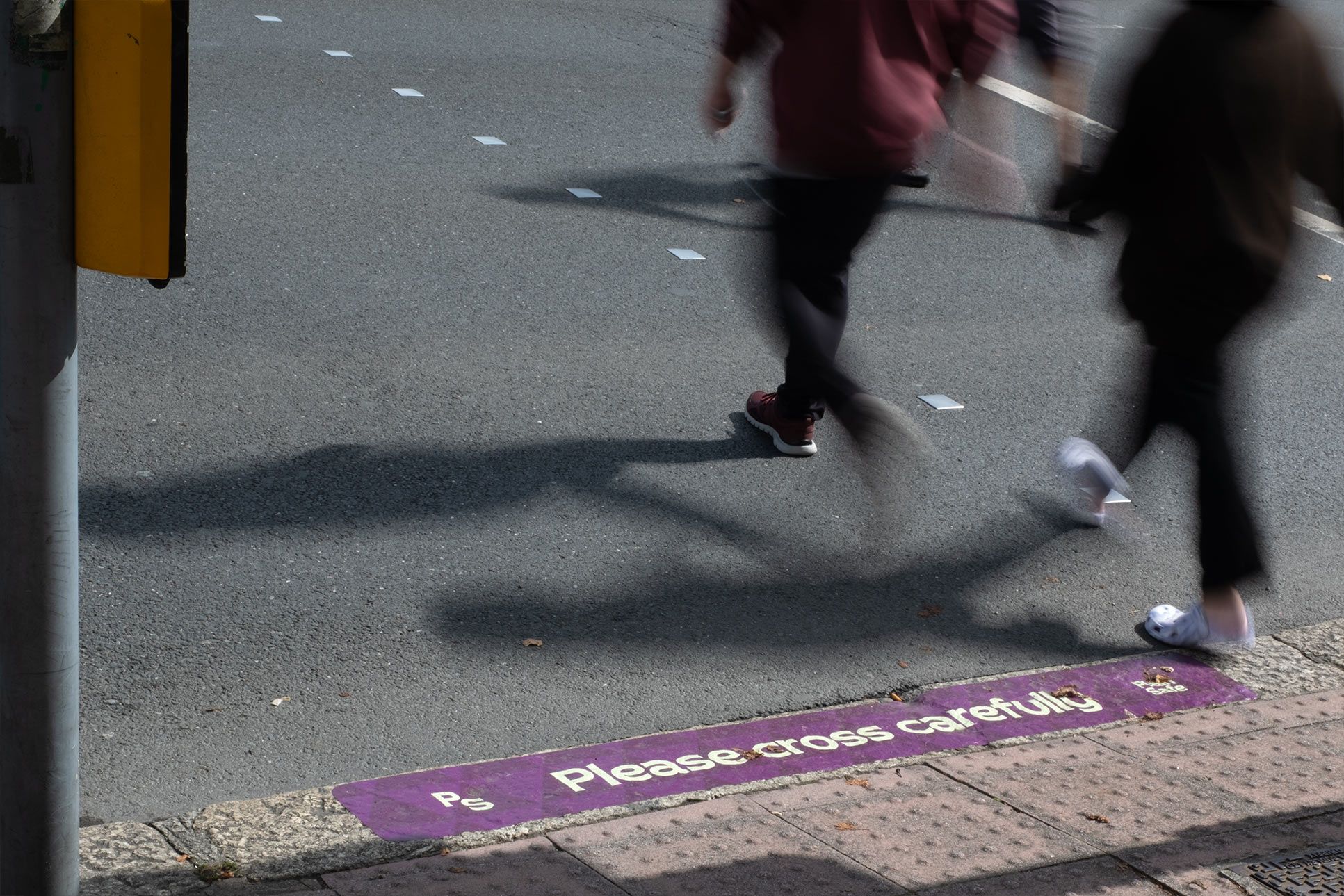
If people are not noticing crossing points, could we make those locations more visible and encourage people to pay more attention?
That is precisely what the new Plain Safe campaign is trying to do.
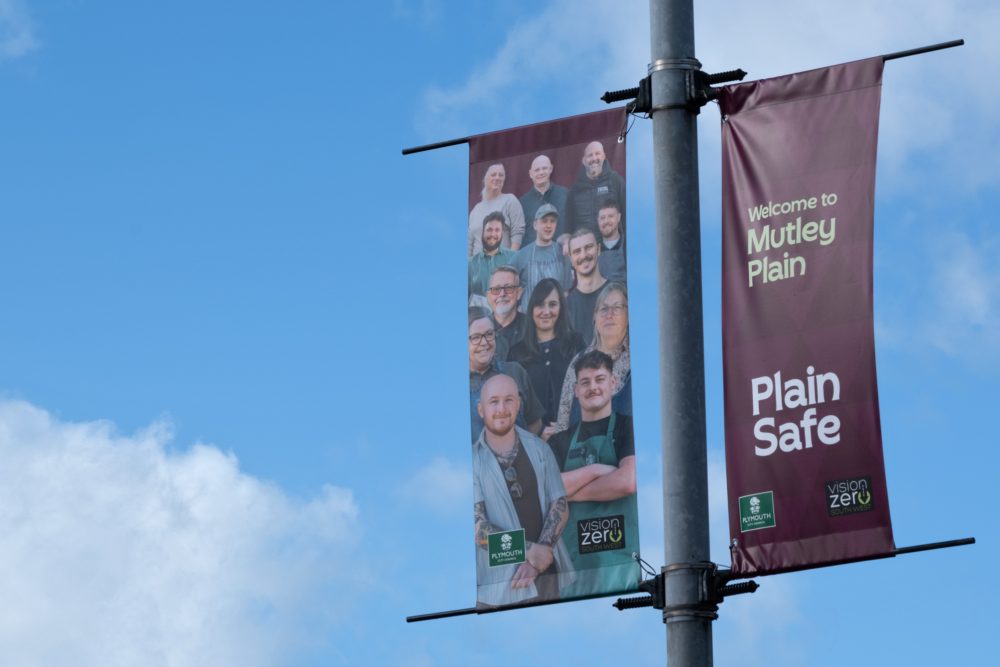
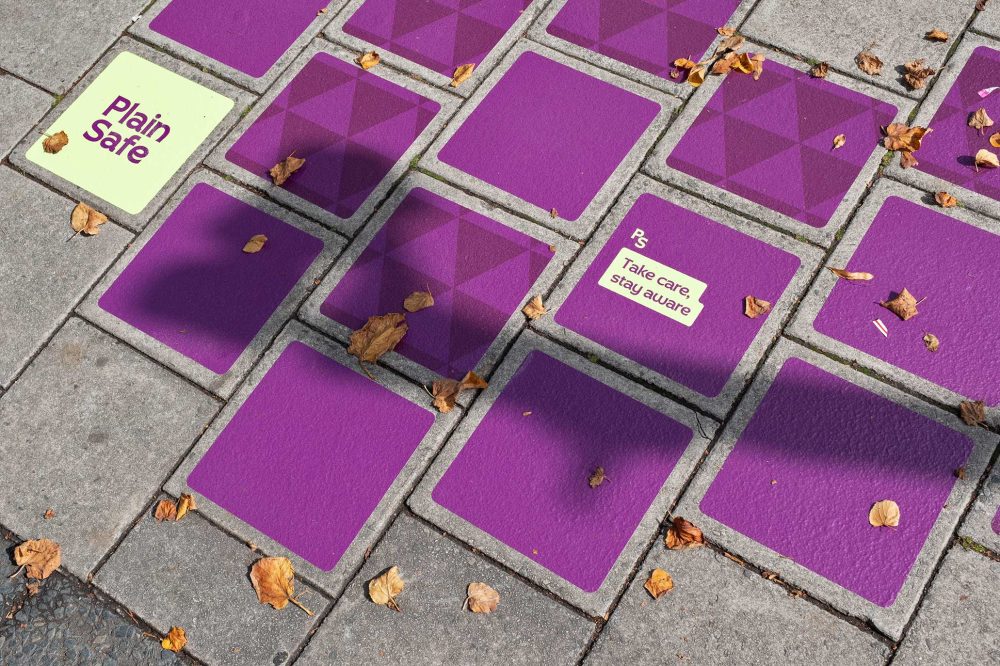
Working alongside Plymouth City Council and local creative agencies, the Vision Zero partnership has introduced colourful artwork, posters, banners and other visual features around Mutley Plain to draw attention to crossing areas and encourage people to look out for one another.
Some people may not immediately think of colourful street artwork as a road safety initiative, but road safety is not always about adding more signs. Sometimes it is about finding new ways to get people to stop, look and think.
What I particularly like about this project is that it reflects the local community. Residents and businesses helped shape the campaign and many familiar faces from the area feature in the artwork. This is not a campaign being done to the community. It is something developed with the community.
As Chair of Vision Zero South West, I am always keen for us to explore new approaches. We know that reducing the number of people killed and seriously injured on our roads will not be achieved through one solution alone. It requires education, enforcement, engineering and engagement with communities.
Most importantly, it requires all of us to play our part. Whether you are behind the wheel, on a bike, or crossing the road on foot, taking a moment to pay attention can prevent a collision from happening.
The Plain Safe campaign will be evaluated over the coming months to understand what impact it has had, but I am pleased that we are testing new ideas and working with local communities to tackle issues before another person gets hurt.
Because when it comes to road safety, prevention will always be better than dealing with the consequences afterwards.