
Summer is one of my favourite times of year in Devon, Cornwall and the Isles of Scilly. Our beaches are busy, our towns are bustling and millions of people come to enjoy everything our beautiful peninsula has to offer.
But while many of us are making the most of the sunshine, it is also one of the busiest times of year for Devon & Cornwall Police.
As visitor numbers increase and temperatures rise, so too does demand on policing. Busier roads can mean more collisions, popular destinations attract larger crowds and major events and festivals all place additional pressure on emergency services.
The recent hot weather has already had an impact on Devon & Cornwall Police’s contact centre, with staff seeing an increase in calls from across the peninsula.
In fact, on a single day in June, the force received 1,305 calls to 999 – almost 47 per cent more than on the same day last year.
What struck me most, however, is that only 23 per cent of those calls resulted in an emergency or priority police response.
That statistic highlights something incredibly important. While many people understandably feel their issue is urgent, 999 is designed for situations where there is an immediate threat to life, a crime in progress, serious injury, or someone is in immediate danger.
Every call matters. But every unnecessary call to 999 can take valuable time away from somebody experiencing a genuine emergency.
The scale of demand on the service is significant. In the 12 months to May this year, Devon & Cornwall Police received more than 312,000 emergency calls – more than 13,000 additional 999 calls compared with the previous year.
Despite that increase, the force answered 91.9 per cent of emergency calls within 10 seconds, with an average wait time of just five seconds.
Those are impressive figures, but they don’t happen by accident. Behind every call is a trained member of staff making important decisions, often in a matter of seconds. They are gathering information, assessing risk, prioritising incidents and ensuring resources are sent to those who need help most urgently.
And 999 isn’t the only area where demand is increasing. The force also received more than 243,000 calls to 101 over the last year – an increase of more than 17,000 calls compared with the previous 12 months. Staff answered more than 212,000 of those calls, dealing with a huge range of non-emergency enquiries and concerns.
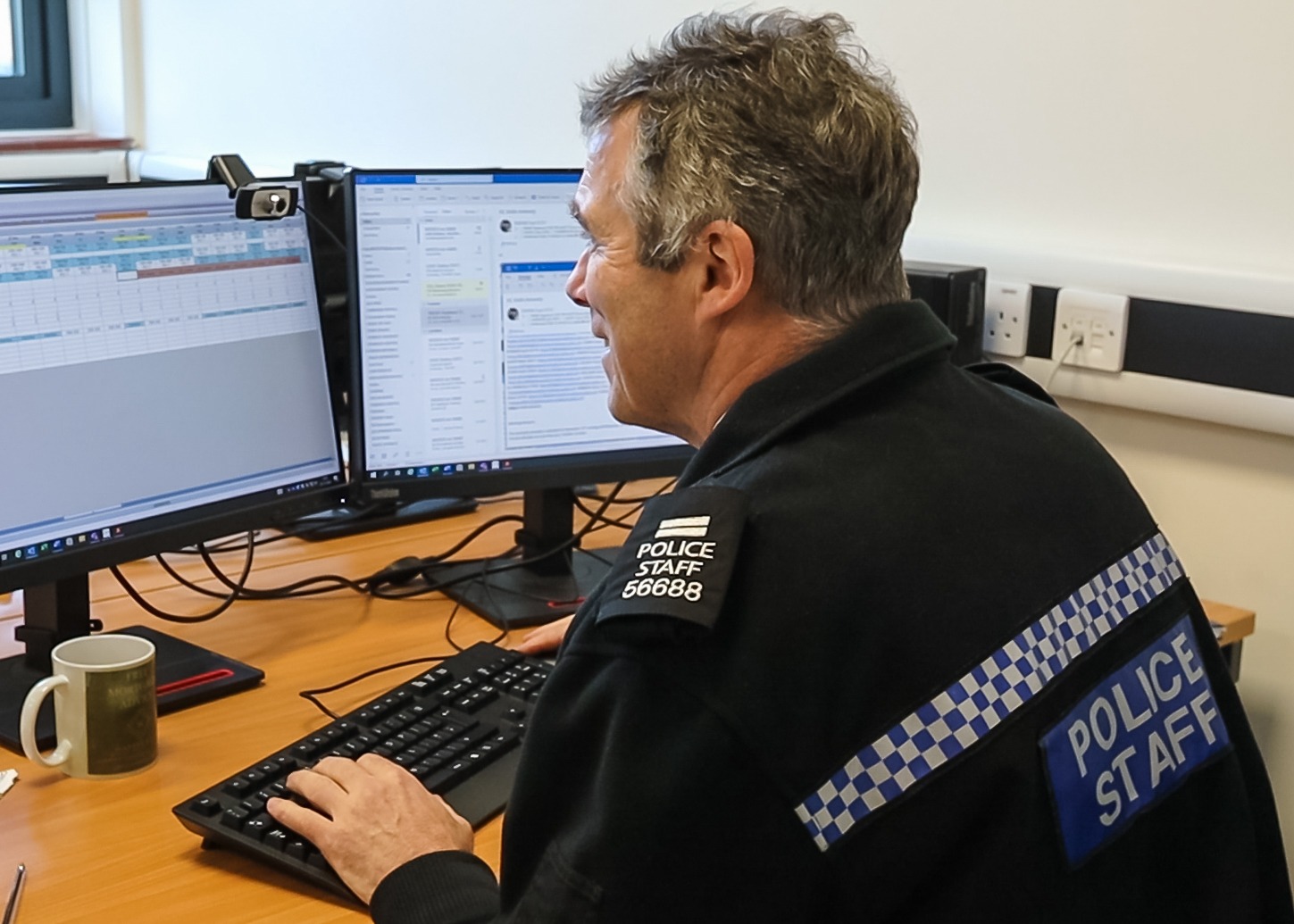
What is sometimes forgotten is that there is a person behind every one of these interactions. In the coming weeks, Devon & Cornwall Police will be running a social media campaign featuring members of its contact centre team talking about the types of calls they receive, the challenges they face and what life is really like behind the headset.
I am really pleased to see this campaign being launched because it gives the public an opportunity to see the human side of policing that often goes unnoticed.
These staff are rarely seen by the public but play a vital role in keeping our communities safe. Every day they speak to people who are frightened, distressed, vulnerable or facing a crisis. They remain calm under pressure, make difficult decisions and work incredibly hard to get the right help to the right people as quickly as possible.
I hope the campaign helps people understand the reality of the role and the pressures these teams face on a daily basis.
More importantly, I hope it reminds us all that the person answering the phone deserves the same respect and courtesy that we would expect ourselves. They are human beings doing a challenging job on behalf of all our communities.
As we continue through what is always a busy summer period, I want to thank every member of the force contact centre and control room for the work they do around the clock.
And I would ask the public to play their part too. If it’s an emergency, call 999 without hesitation. If it isn’t, please consider using 101 or the force’s online reporting services instead. When you report online, you can expect a response within 24 hours.
You can also report crime in person at one of the 25 Police Enquiry Offices open to the public across Devon, Cornwall and the Isles of Scilly. To find your nearest police station and its opening times, visit A list of Police Enquiry Offices (PEOs) | Devon & Cornwall Police
Making the right call at the right time helps ensure that when someone is facing a genuine emergency, help can get to them as quickly as possible.
If you are interested in becoming a Contact Officer, Devon & Cornwall Police are currently recruiting. To apply by August 7, visit the Devon & Cornwall Police website.