
A new mental health strategy for England is long overdue but now that the wheels are finally in motion, I am hopeful that much needed change will be on its way soon.
Last month the government announced a call for evidence which will inform the development and implementation of a new cross-government strategy to move away from crisis-led care and focus instead on prevention, early intervention and long-term support.
Frontline workers, clinicians and mental health experts are being invited to help shape the future of mental health care – and that includes police forces across England.
The current system is not working; it’s too often reactive, fragmented and inconsistent. The impact this has on policing is huge. Every week, vast hours of policing resources are spent helping people in mental health crisis, which includes taking them to a place of safety or waiting in A&E for an assessment.
All too often, vulnerable people are dealt with as criminals rather than being supported by the most appropriate professionals for their needs at the time.
For the past few years, Devon & Cornwall Police, like others forces across England, has been working more closely with health, education and other local partners to assist people in mental health crisis.
While this work has seen improvements made, the key has to be early prevention so that situations don’t escalate into a crisis or result in tragic circumstances.
The Right Care, Right Person model was introduced to reduce the deployment of police to incidents related to mental health and concern for welfare and instead ensure that people receive support from the most appropriate health or social care professional.
It was back in 2023 that the His Majesty’s Inspectorate of Constabulary and Fire & Rescue Services noted how police forces were often the “service of last resort” doing the work of other public services, especially with regards to mental ill health. Policing resources are already under enormous pressure – as are health services – so we need to look at new ways to help people and reduce crimes from taking place in the first place.
When filming the third episode of my podcast series in Barnstaple earlier this year, which was on the topic of tackling hate crime in our communities, a resident told how he worked as a GP registrar in the local hospital. He said he often sees patients with who are brought in by the police to be medically observed and examined to see whether they are fit to go back to custody due to an incident they have been involved with.
Officers are required to sit alongside detainees who are having medical treatment. Righty, it is their responsibility to make sure that someone is okay if they are in police custody. Sometimes that means taking them to hospital as they may need a mental health assessment or they may also have an injury.
We have trialled a few things over the years, including Bed Watch to help fund hospitals to have security guards to take over through our summer policing pressures initiative. However, it didn’t work that well because it was inconsistent, but we are really trying to resurrect that.
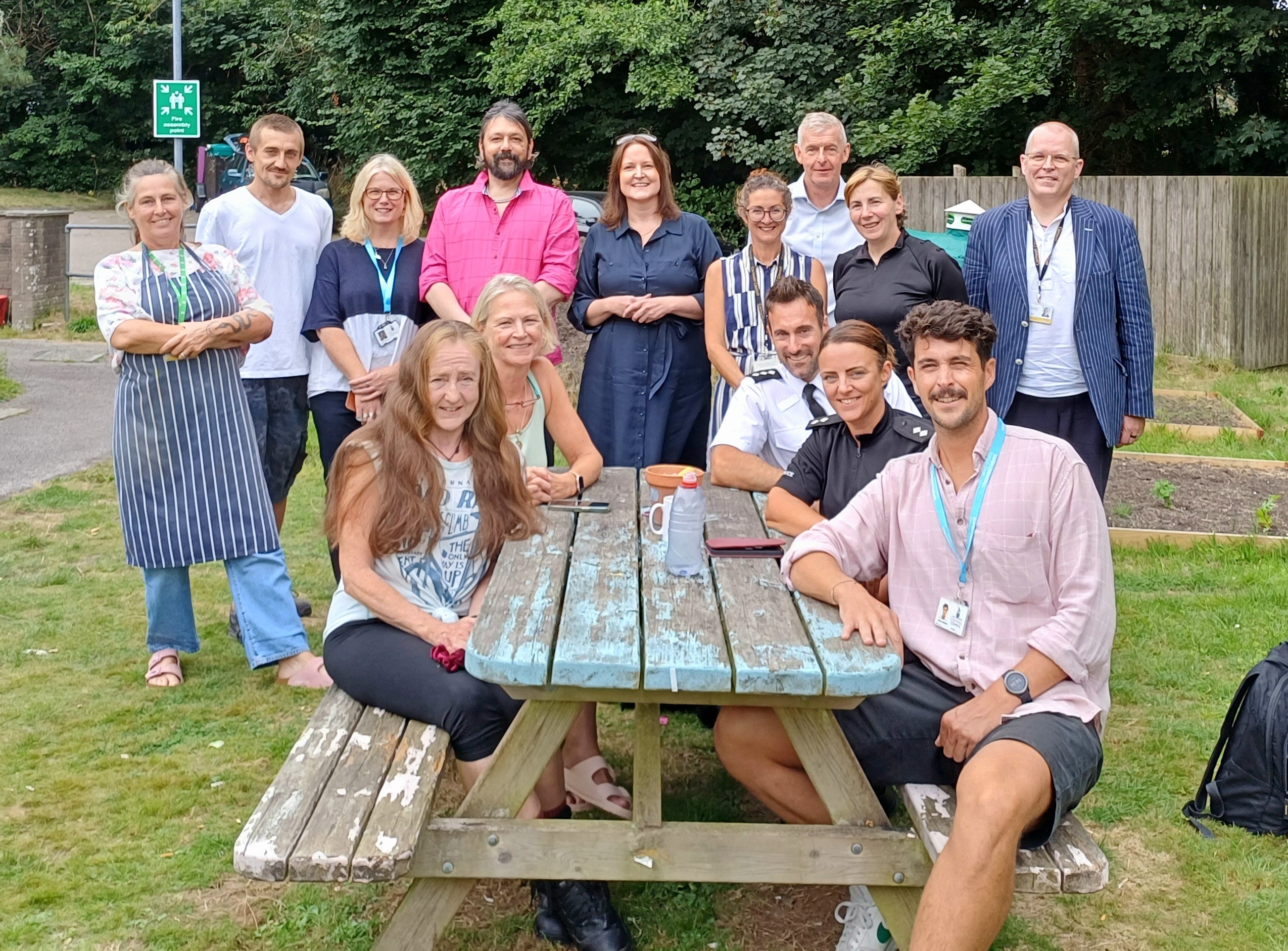
It was interesting to hear how an essential resource for officers and Street Marshals in Barnstaple is the Freedom Centre where people can be taken, when appropriate, to benefit from different support services all under one roof. Cornwall has the great asset of Penzance Safe and Well Hub at the John Daniel Centre.
Various health hubs are now running across Devon and Cornwall and we need more of these to keep up with demand so that partners can continue working together collaboratively. It really does help vulnerable people and those disconnected from services to be able to go to a safe space where they will be welcomed – not pushed away – and get the vital support they need.
We’ve got some fantastic work going on across the peninsular but it’s not always in the right places or close enough for everyone to access. That is why I welcome the creation of a new mental health strategy and will be encouraging the police and partner agencies to submit their examples to ensure the government is made fully aware of the unique issues here in Devon, Cornwall and the Isles of Scilly.